
ASTM D3612 (Method C)
Dissolved gas analysis
Look for signs of thermal or electrical faults in transformer oil.
DieleX Lab / Science & Service
We analyze insulating oils to help you understand the condition of electrical equipment and plan what comes next.
Insulating oil carries clues about what is happening inside a transformer. The right analysis can help reveal developing faults, track ageing and plan the right action.
From sample to decision
One sample. Several perspectives. Useful information about your equipment.
Good information starts in the field. Use our procedure or ask our team for sampling support.
Tests matched to the equipment produce results you can compare and use.
Results are placed in context in a report that helps prioritize the next intervention.
What we measure
A selection of dielectric fluid analyses covered by our ANAB scope. See the complete document for every accredited test.
Explore what the oil can tell us about the different parts of your equipment.
Oil helps insulate and cool the transformer. Its electrical strength, water content and ageing indicators provide complementary information.
Thermal or electrical stress can cause oil and insulating materials to generate gases. Dissolved gas analysis helps identify these signatures in the sample.
Ageing cellulose insulation can release furanic compounds into the oil. Their analysis provides another perspective on the insulating system.
Every result is considered alongside the equipment’s history and operating conditions.
Look for signs of thermal or electrical faults in transformer oil.
Assess the oil’s ability to withstand electrical stress.
Measure moisture that can reduce the oil’s insulating properties.
Track changes at the oil–water interface as the oil ages.
Observe signs of chemical degradation in the oil.
Measure dielectric losses in insulating oil.
Document PCB presence for equipment management.
Look for compounds associated with ageing paper insulation.
Measurement tools
From electrical tests to chromatography, each technique reveals another facet of insulating oil.
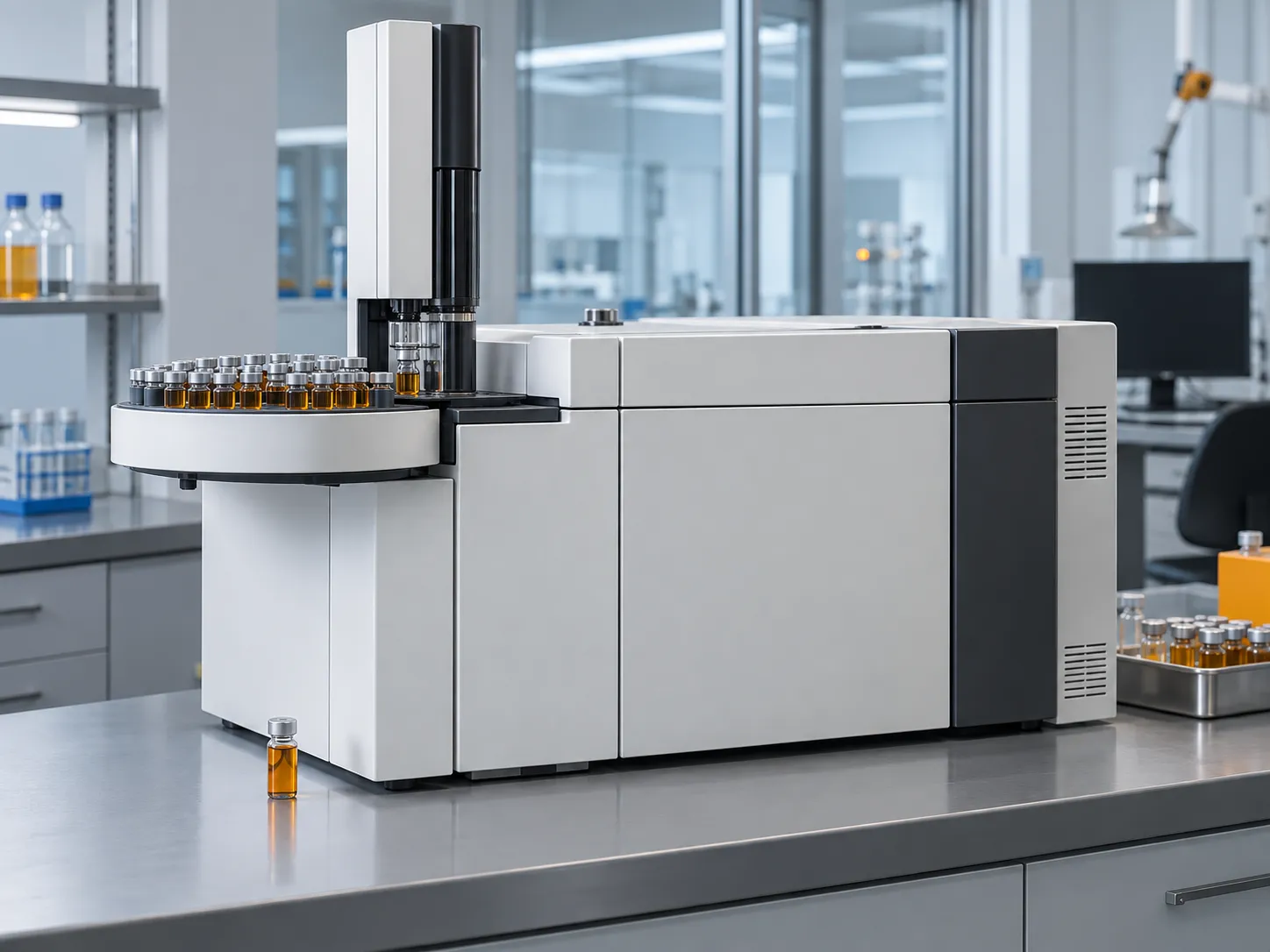
Gas chromatography separates dissolved gases to help identify fault patterns.
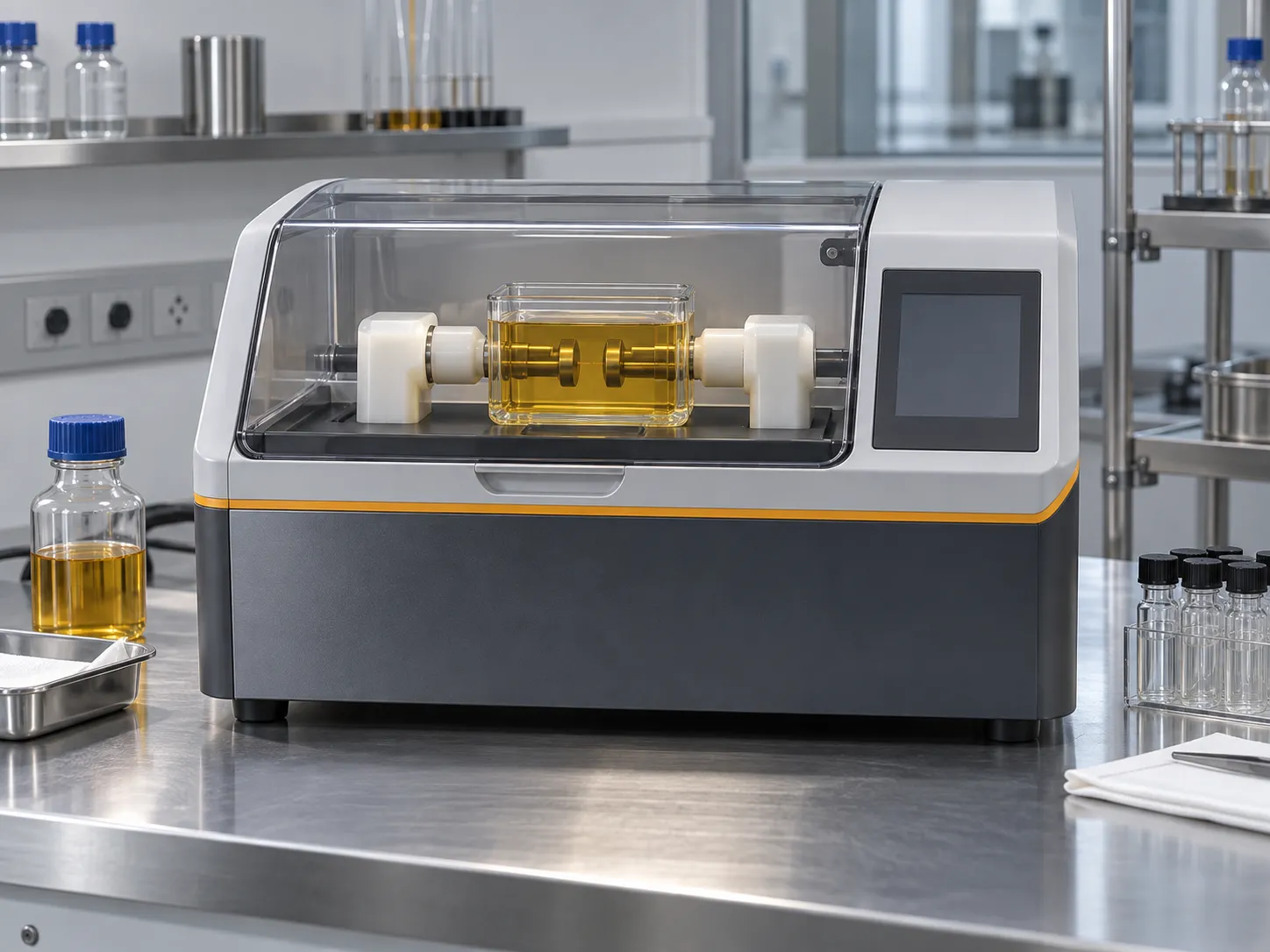
A controlled test measures how the oil performs between two electrodes.
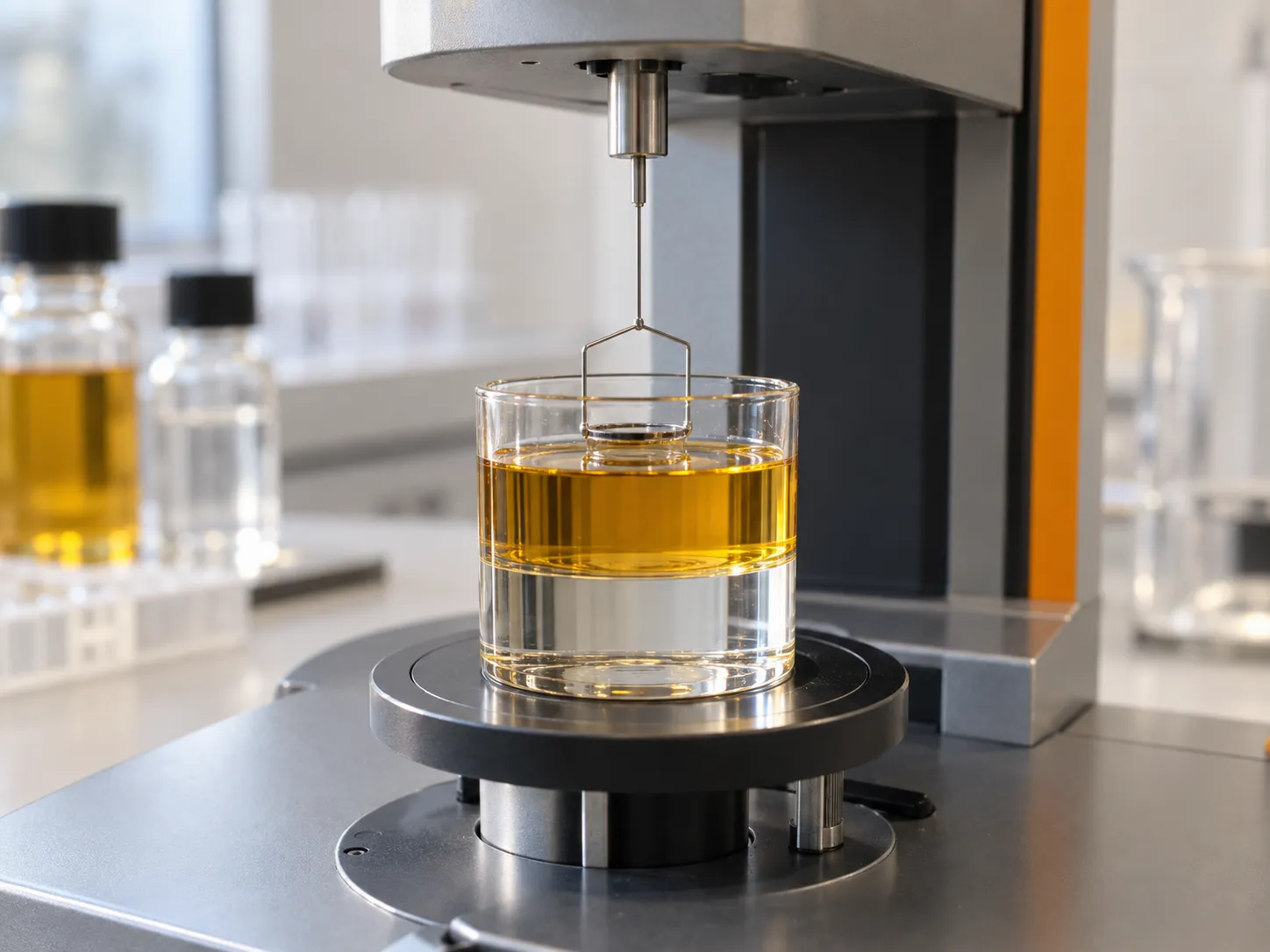
A tensiometer studies the oil–water interface, a useful indicator of oil ageing.
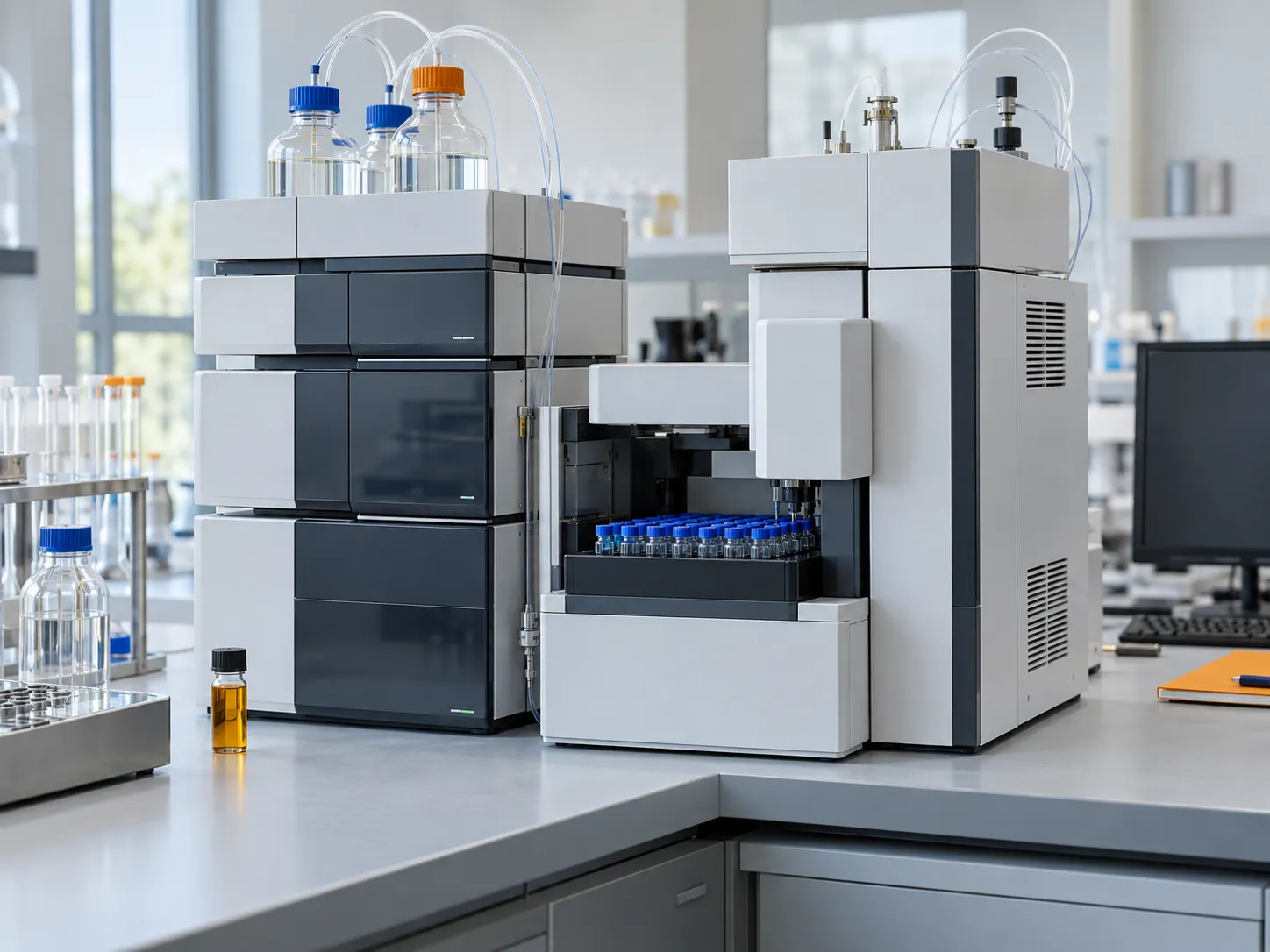
Liquid chromatography measures compounds associated with ageing paper insulation.
Illustrative demonstrations, without measurement values. Images represent instrument types; models used in the laboratory may differ.
ANAB accreditation
DieleX Lab is accredited by ANAB to ISO/IEC 17025:2017 for the chemical tests on dielectric fluids listed in its scope. Certificate AT-2521 is valid through January 16, 2028.
Take it with you
Review our accreditation scope, prepare a sample, and learn more about the laboratory.
One connected team
DieleX Lab works with Les Services Électrotechniques (SET). Together, oil analysis and electrical equipment expertise help guide maintenance decisions.
Let’s talk about your equipment
Tell us about your equipment and what you need to understand. Our team can help identify the next step.
Call the laboratory